
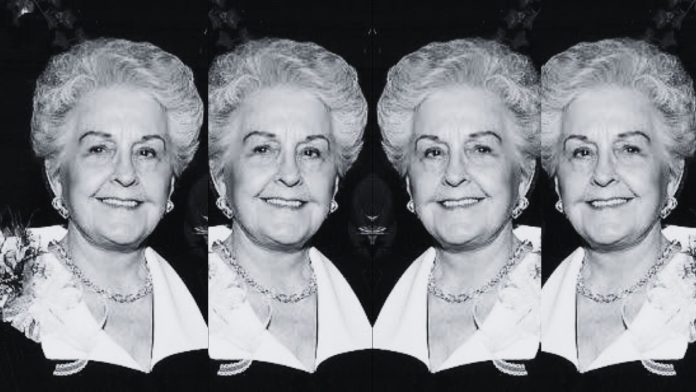
Think ahead about how well-documented and reliable sources can help unravel the story of Margaret Louise Cash. Born on March 1, 1924, in Kingsland, Cleveland County, Arkansas, USA, Margaret’s life was rich with history and family ties. Her parentage traces back to Raymond Grant Cash (1897–1985) and Carrie Cloveree Rivers (1904–1991). For anyone interested in genealogy, these details are foundational. Understand that starting with birth and parentage provides a firm grounding for any historical research.
Focus on these key pieces of information to draw connections with her life events. Margaret’s birthplace and the era she was born into sets the stage for her personal journey. A clear, reliable start helps in connecting subsequent life phases.
Early Life and Siblings
Start by piecing together Margaret’s early years to gain insights into her family dynamics. Margaret had siblings—a crucial part of her early life experience. These included Roy E. Cash (1921–1993) and Jack Dempsey Cash (ca. 1930–1944). Every sibling relationship adds a layer of context. Families often have complex dynamics; knowing about siblings can offer insight into childhood influences.
Family dynamics play a significant role in shaping individuals. As you consider Margaret’s early family life, think about the socio-economic context during the 1920s and 1930s. The Cash siblings grew up in an era of significant change in America. Such societal influences likely impacted their roles within the family and their future decisions.
Marriage and Family
For example, Margaret’s marriage to Jordan Joseph Garrett (1920–2007) was a significant milestone in her life. This union offered new chapters filled with diverse experiences. Marriage records are valuable to ensure accuracy in family history. Margaret and Jordan had at least one living child, providing a direct lineage for further exploration.
Marriage often marks the beginning of new family dynamics. Safeguarding these details ensures their years together are celebrated accurately. Tracking marriage and progeny helps delineate family branches, evident in their reported children.
Consider how the union between Margaret and Jordan connects different family histories and legacies. This focus can bridge past lineages with present narratives, enriching your understanding of familial bonds.
Records and Documentation
There’s no shortcut to solid genealogy; accuracy relies on well-documented records. Multiple genealogical records support Margaret Louise Cash’s life details. These records include well-known resources like FamilySearch, Find a Grave, and user-submitted family trees linked to Ancestry databases. Use these sources to verify critical life events.
Start by ensuring the reliability of each record before making connections. Credibility cues, such as overlapping data, strengthen your genealogical narrative. Did you know that cross-referencing helps prevent errors? Ensure these records align for a consistent family history.
Think about the value of documented sources as building blocks of family history. Marginal discrepancies can be sorted with careful scrutiny. Using multiple sources offers a balanced overview of Margaret’s life.
Clarification on Conflicting Records
Sometimes, conflicting records emerge—expectation management is key here. For instance, conflicting records describe another individual named Margaret Louise Cash. This Margaret was born on August 1, 1925, in Glen Elder, Kansas, and died on January 13, 2005, in Tulsa, Oklahoma. This record describes a nurse with children Samuel David Cash Jr. and four daughters.
Distinguishing details help sort these individuals. Details like different birth and death dates and locations prevent mismatches. A practical way to handle discrepancies is to identify distinguishing characteristics. Consider naming patterns, geographic locations, and timelines to dispel confusion.
Establishing clear disambiguation methods guards against misleading conclusions—staying factual amidst conflicting records reduces risk. For further insights on reducing such risks, refer to additional historical records on reliable platforms like FamilySearch.
Final Years and Legacy
Another way to wrap up a genealogical journey is through reflecting on final years and legacies. Margaret Louise Cash passed away on April 4, 2003, in Hendersonville, Sumner County, Tennessee, USA. She was laid to rest there. Focus on these events to draw your family line analysis to a close.
Burial information often solidifies final chapters in life stories. These milestones finalizing lifetimes need discrete acknowledgment. Use specific burial records to confirm dates and locations. Well-documented records keep the narrative complete and dependable.
Where her life began in Arkansas, generations of family intertwined with Margaret’s legacy. Her family lineage continues to impact her descendants today. Think ahead about how Margaret’s achievements, relationships, and character influence her progeny.
Conclusion
Summarizing Margaret Louise Cash’s life is pivotal for understanding historical context. Consider her impact on her family lineage, from her Arkansas roots through her Tennessee days. Regardless of past challenges, Margaret illustrates resilience in family traditions. While this narrative begins with her life, its story threads weave through generations.
Margaret’s history enlightens inheritors on the richness of familial bonds. From birth to heritage-building, she fostered a continuity that inspires curiosity about familial roots. Focus on the action of documenting each significant step. For example, collect precise records and reliably reinforce their family story.
In summary, understanding a life like Margaret’s invites us to embrace family legacies with curiosity and precision. The accuracy of family history depends on methodical research and validation. Use the lessons gathered from her story as a building block for your genealogical ventures. For additional tactical steps on family research, you can explore resources on actionable insights through established platforms like BizRiseUp.
Also Read: