
If you’re searching for a practical, puzzle-driven experience that rewards logical thinking and clear observation, “Escape from the Room of the Serving Doll” is worth a closer look. Designed as a short escape-room adventure for PC, this game has caught the attention of enthusiasts who value both strong traditional puzzles and impressive 3D visuals. Its distinct combination of logical challenges, unique robot character, and adult gaming community buzz—especially from platforms like F95Zone—makes it stand out in a crowded genre.
But is it right for your time and attention? Let’s break down the strengths, limitations, and real-world lessons you can apply as you explore new games or even consider similar approaches for engaging your customers or teams.
Game Setting and Objective
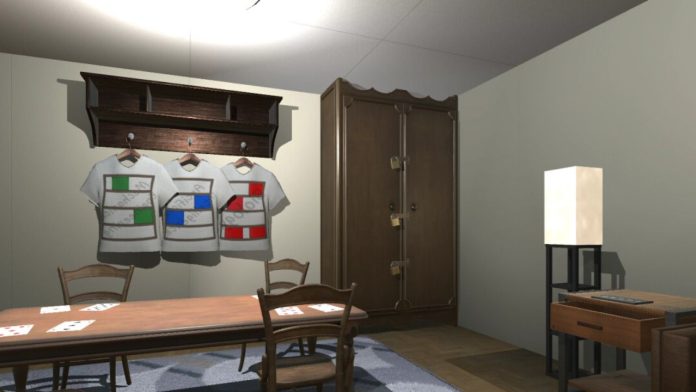
Start by understanding where you’ll spend most of your time: one locked room. The premise is straightforward. You’re an unnamed protagonist waking up inside a confined space, sharing it only with Aisha, a robot referred to as a “Serving Doll.” The environment is designed for focus—minimal distractions, but filled with useful details. Think of it like approaching any new project or product—there are clues hidden in plain sight, if you take the time to look.
Your goal isn’t complicated: solve puzzles, interact with objects, and unlock the door to escape. This clear objective keeps the gameplay lean. For anyone juggling multiple priorities at work, such simplicity can be a benefit, helping you sharpen your problem-solving reflexes by zeroing in on a single outcome.
Core Gameplay Mechanics
The heart of the experience is a set of interlinked puzzles reminiscent of classic logic games. When you start, you’ll notice a central challenge: a cabinet held shut by three padlocks marked “B,” “W,” and “H.” These padlocks aren’t just obstacles—they’re carefully coded for you to crack, each tied to clues within the environment.
Focus on actionable exploration. You’ll scan the room, pick up colored building blocks, and notice small objects like metal rods or mysterious shapes. Nothing is there by accident, so learn to examine everything—just as you might with a tricky contract or business process.
Another step is interacting with the paintings and a television. For example, changing channels on the TV provides visual clues that may correspond to colors or numbers on the other objects. Each puzzle is multi-step, requiring a mix of deduction, memory, and sometimes a bit of trial and error. For example, you might find a clue on a painting that links to the sequence needed for one of the padlocks, or connect the number of shapes in a sculpture to the code for another.
One of the more unique mechanics is the relationship with Aisha, the Serving Doll. To progress, you don’t just search and grab—sometimes, you need to talk to Aisha and “fill her Favor meter.” This system is navigated through making dialogue choices, such as engaging in “casual chat” or selecting supportive responses. When the Favor bar is full, extra dialogue scenes unlock, and sometimes, new options for puzzle-solving appear.
Tip: In both gaming and business, relationship management can open paths pure logic alone can’t. Don’t ignore it.
Visuals and Presentation
Visual presentation sets this game apart from many browser-based or lower-budget escape-room titles. Every action—whether opening a drawer or watching Aisha’s reactions—is delivered through high-quality 3D animations. The models are detailed, the motion is fluid, and the lighting sharpens the realism.
For many players, this investment in animation boosts immersion. You’ll recognize that actions feel more impactful, and the entire mood is more engaging when you see nuanced character expressions, or the subtle way objects move. If you’ve spent energy on branding or customer experience, you know how much aesthetics can influence engagement.
There is a trade-off, however. The same sets of animations and scenes repeat during certain portions of the game. This repetition, while visually strong, can start to feel stale if you repeat actions or replay the game. In business terms, think of it as a polished marketing email that, when sent too many times, loses its impact.
Game Duration and Replay Value
Let’s discuss scope: “Escape from the Room of the Serving Doll” is a short experience. Expect to spend maybe an hour or two solving the main puzzles, depending on your attention to detail and comfort with logic games. There’s little filler, which means no wasted time—but also, not much room for discovery after the first successful run.
Replay value is limited—the game reuses key cutscenes and dialogue, and once you know the puzzle solutions, there’s little incentive to play again immediately. For players (or busy operators) who prefer a concise, single-session experience, this might be ideal. But if you prize replayability or deep narrative branching, look elsewhere.
Key takeaway: Sometimes, a focused offering is better than a sprawling one—so long as you set expectations clearly up front.
Reception and Player Feedback
Reviews are honest about what the game delivers. On platforms like Steam and in detailed walkthroughs, the core strengths are clear: accessible yet challenging puzzles, an intriguing mechanical companion in Aisha, and a clean presentation that sets a mood. Many users praise the logic-driven challenges, calling the experience “engaging” or “thoughtful.”
Drawbacks are consistent, too. Criticism focuses mainly on two points: short length, and recycled scenes. Once solved, most puzzles don’t randomize or change, and the main value for repeat play is seeing alternative Aisha scenes or different dialogue outcomes. If you thrive on novelty or extensive branching, that could be a deal-breaker.
Tip: Start with games (or products) whose limitations you’re willing to accept, as long as the core benefits align with your goals.
Platform and Community Interest
You can find “Escape from the Room of the Serving Doll” on PC, where it’s sold on platforms like Steam. There’s no mobile or console version as of this writing. Discussion and support are most active in forums catering to adult game fans, particularly F95Zone. Because of its suggestive content and character animations, it today sits in the overlap between traditional puzzle gamers and those interested in visually detailed, mature-themed mods or indie experiments.
For founders, there’s a business lesson here: sometimes, serving a niche with enthusiasm will gain more loyalty and word-of-mouth than trying to appeal to everyone. Aisha herself, and the conversational methods required to advance, give the game extra conversation value online—walkthroughs, detailed strategy posts, and screenshot guides are common, both on Steam’s curator channels and sites like F95Zone.
If you’re looking for more structured advice on growing niche communities or tapping into platforms where your audience gathers, you might check resources like BizRiseUp, which curates guides and case examples on targeted outreach, including gaming and entertainment.
Summary: Who Will Enjoy Escape from the Room of the Serving Doll?
Bottom line, “Escape from the Room of the Serving Doll” is crafted for puzzle fans who appreciate strong logic sequences, interactive object-finding, and a dash of relationship management—all wrapped in high-end visuals. If you have an hour or two, enjoy piecing together clues, and want an experience where efficiency is rewarded, this game will scratch that itch.
Set realistic expectations. It’s not for marathon gamers, nor is it for those who prefer deep roleplaying or long branching storylines. But for operators, founders, or even teams looking to sharpen systematic thinking, it offers a compact, clear challenge. You’ll need patience, attention to detail, and an openness to both logic and digital companionship.
Use this as a reminder in your own projects: focus on a strong core experience, polish your presentation, and communicate your scope clearly. Short isn’t always a weakness if the value delivered is truly concentrated—and if your audience knows exactly what they’re getting when they buy in.
Key takeaway: If you like straightforward logic games with a modern presentation and are comfortable with mature themes, “Escape from the Room of the Serving Doll” is an effective use of your gaming time. Consider it a template—sometimes the best engagement comes from tight focus, not endless content. Start here if you want to see exactly how a specialized product finds (and fits) its audience.
Also Read: