
Focus on the essentials first. Rivals of Aether is a competitive platform fighter where players control elemental animals and duke it out on vibrant, interactive stages. The core gameplay is tight and responsive, resembling classics like Super Smash Bros., but its mechanics add layers of depth through elemental powers and finely tuned movement.
Another way Rivals of Aether sets itself apart is its embrace of custom content. The Workshop feature, available on PC versions, gives players and creators the freedom to make and share new stages, characters, and even entire gameplay overhauls. For community-driven games, this is a proven path to keeping content fresh and players coming back week after week.
Tip: If you’re looking for new competitive experiences or want to see your favorite characters join the fray, Workshop content is often your best bet.
Exploring the Mushroom Kingdom Stage
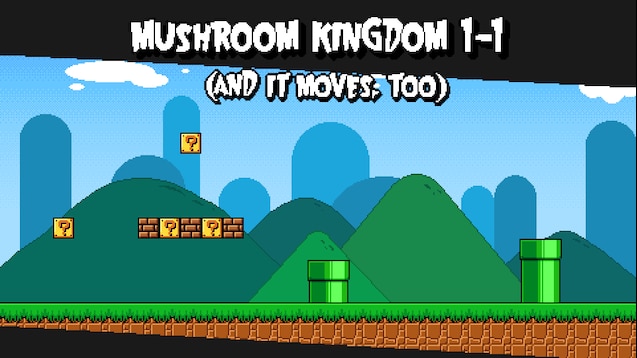
Start by picturing the Mushroom Kingdom from the Nintendo classics—a place filled with brick blocks, roaming Goombas, and mysterious power-ups. The Mushroom Kingdom stage in Rivals of Aether draws direct inspiration from the legendary “Mushroom Kingdom (64)” stage from Super Smash Bros.
The community-built version captures the classic look: layered platforms, pipes you can leap from, and plenty of familiar visuals. Unlike plain arenas, this stage aims to recreate the feel and unpredictability of platforming through Mario’s world—nostalgic for veterans, fresh for new players.
Tip: Think ahead when learning a new stage. Mapping out where danger comes from, and when, sharpens your game sense.
Features of the Mushroom Kingdom Stage
For most players, success boils down to knowing the patterns and taking advantage of your surroundings. The Mushroom Kingdom stage’s layout mirrors the classic design—wide lower ground, multiple side platforms, and a recognizable brick-and-block ceiling. The colored pipes aren’t just for show; you can use them strategically, bouncing off or setting up aerial attacks.
The design isn’t limited to static visuals. Familiar Mario elements, such as marching Goombas or spinning Koopa Troopas, are present throughout matches. They stalk the platforms, presenting both a hazard and an opportunity. Managing them adds another tactical layer—sometimes you want to bait your opponent toward an oncoming Koopa, other times you just need to get out of its way.
Did you know? Experienced players often use stage hazards as tools for edge-guarding or to break up combo pressure.
Interactive Elements and Gameplay Mechanics
This isn’t just a background swap. The Mushroom Kingdom stage is packed with interactive features—breakable blocks, pop-up items, and moving enemies that can throw off even seasoned fighters. Unlike standard stages, you’re rarely fighting your opponent alone. Blocks can be destroyed or used to shield against attacks, forcing players to adapt their approach as the environment shifts.
In-stage hazards like wandering Goombas or Koopa Troopas serve two purposes: they punish players who get careless, but they also introduce dynamic opportunities for comebacks or clever setups. Maybe you knock an opponent into a cluster of Goombas, turning the tide unexpectedly. Maybe a spiny shell interrupts your enemy’s plan right when you need it.
Key takeaway: Learning to anticipate stage hazards is as important as mastering your main character. Focus on reading both your rival and the stage itself.
Expanding the Super Mario Universe in Rivals of Aether
There’s no shortcut to broadening a game’s appeal, but inviting players to cross over their favorite franchises is a reliable approach. Beyond the Mushroom Kingdom stage, Rivals of Aether’s Workshop is loaded with Super Mario-themed content. Modders have contributed custom characters like playable Mushrooms—tiny, punchy fighters—and even fan favorites such as Bowsette.
For example, using a Workshop character like a Goomba or Bowsette shifts the entire pace of a match. Each custom fighter brings its own mechanics and flavor, faithfully replicating abilities and quirks from Mario titles within the Rivals engine. Functionally, this makes matches unpredictable and keeps veterans engaged.
Tip: Before you grab a new character for ranked matches, test them in casual play or training mode. Not every custom fighter will work the way you expect.
How to Access the Mushroom Kingdom Stage
Start by opening Rivals of Aether on Steam or another supported platform with Workshop features. Go directly to the Workshop menu, and use the search tool—look for “Mushroom Kingdom” or keywords like “Mario” and “64.” Verify the stage with screenshots and user ratings to avoid lookalikes.
Once you’ve found the right stage, hit the subscribe or download button. The next time you load Rivals of Aether, the new content will auto-install and appear in your stage select menu. If you run into issues, check if you have mods enabled in-game and make sure you’re running the latest version.
Tip: Start with a single custom stage or fighter at first. Adding too many mods at once can sometimes cause conflicts or bloat your load times.
Did you know? The Workshop isn’t limited to just stages or characters. You’ll find custom modes, visual effects, and even full conversion packs.
The Impact of Community Creations on Rivals of Aether
Think ahead when investing time in any competitive scene. Community-made content keeps gameplay vibrant and relevant well past launch. Each fan stage or character broadens the player base, offers new tactics to master, and creates reasons for streamers and competitors to return.
For Rivals of Aether, fan creations—like the Mushroom Kingdom—have made the game stickier for both casual and hardcore fans. Creative reinterpretations of classic games draw in new players, sometimes even introducing business owners or team leads to digital communities they wouldn’t normally engage with.
Another way you can benefit from the Workshop scene is by sharing feedback and supporting creators. Use ratings and comments after testing a new stage. Open communication raises content quality and helps others find the most polished creations.
Tip: Focus on highly rated or actively updated Workshop content. Frequent updates are a strong indicator that the creator cares about the experience.
If you’re an operator juggling multiple tasks, community-developed mods are also a low-effort way to keep your team interested in game nights or downtime competition. For readers who are curious about community-driven growth models, check out case studies and business resources at BizRiseUp.
Conclusion
There’s no shortcut to building lasting engagement, but supporting tools for custom content is a proven strategy. The Mushroom Kingdom stage in Rivals of Aether showcases what happens when a developer empowers its community—players get memorable new experiences, and the game itself gains years of added replay value.
For starters, this stage is more than just a nostalgic throwback. It’s a live ecosystem where familiar hazards, unique platforms, and creative re-imaginings turn a simple fight into a chess match with extra moving parts. Whether you’re a competitive player, a fan of Mario, or simply looking for something new, tapping into custom content opens doors for growth and sustained fun.
Key takeaway: Start by testing the most popular Workshop creations, then pick a few favorites that match your group’s interests. For founders and team leads, using community-driven content is a simple but powerful step toward building a more connected, engaged audience—inside or outside the game.
Focus on consistent, measurable improvements over time. If you run game nights, rotate fresh Workshop stages into your sessions. Track player feedback and retention rates. Encourage your community to try new things and share their experiences. Those small actions stack up and foster loyalty, creativity, and continuous improvement.
In the end, whether you’re fighting for stage control in the Mushroom Kingdom or growing a business, remember: the most progress comes from steady, intentional changes layered over time.
Also Read: