
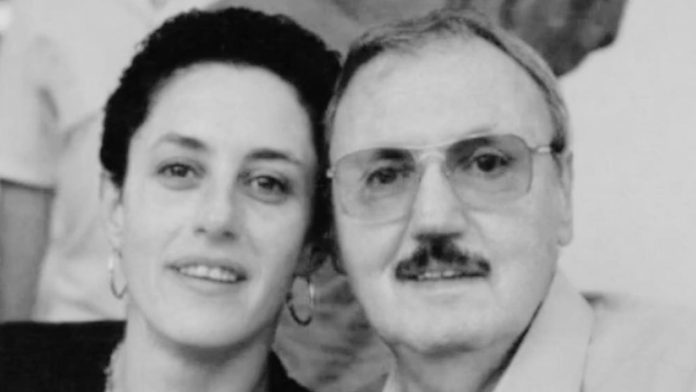
Carlos Sheinbaum Yoselevitz was a pivotal figure in the modernization of the leather tanning industry in Mexico. With an impressive career that spanned several decades, he built a reputation for innovation, integrity, and leadership. Born on February 25, 1933, and passing on August 29, 2013, Sheinbaum’s contributions during his lifetime left an indelible mark on both industry and community. His work with Sintacrom de México, S.A. de C.V. set a new standard in chemical production, catalyzing economic growth and providing a robust foundation for future innovations in tanning.
Early Life and Family Background
Born either in Guadalajara, Jalisco, or Mexico City, Sheinbaum was the child of Ashkenazi Jewish immigrants from Lithuania. His father, Chone Juan Sheinbaum Abramovitz, was an active member of the Mexican Communist Party, a fact that influenced Carlos’s worldview and approach to life. This heritage combined Jewish traditions with a strong political consciousness, shaping his formative years. Sheinbaum pursued chemical engineering at renowned institutions—the National School of Chemical Sciences at the National Autonomous University of Mexico and the University of Guadalajara—which honed his technical expertise required for his later professional achievements.
Personal Life
Carlos Sheinbaum Yoselevitz married Annie Pardo Cemo, a biologist with whom he shared an active involvement in the Mexican Movement of 1968. This was a significant time in Mexican history, marked by youth protests and political strife. Their union produced three children: Julio, Adriana, and Claudia Sheinbaum, the latter of whom would eventually become the President of Mexico. Their family’s engagement in political activities and social causes reflected Sheinbaum’s deep values of honesty and community responsibility—traits he passed on to his children.
Professional Career and Achievements
Sheinbaum’s professional endeavors were marked by the co-founding of Sintacrom de México, S.A. de C.V., the first Mexican company to produce basic chromium sulfate essential for leather tanning. His role as technical commercial director for three decades saw him lead the company to national prominence. By modernizing chemical production processes, he not only contributed to the growth of the leather industry but also facilitated job creation and economic development in Mexico. His leadership extended beyond business; Sheinbaum served as the president of the Mexican Federation of Leather Chemists and Technicians multiple times and spearheaded initiatives like the National Technical Meeting of Tanning.
His commitment to ethical leadership and community involvement fostered a culture of sustainability and innovation. Sheinbaum was particularly focused on reducing industrial waste, showcasing his environmental responsibility before it became a global business imperative. He also championed young professionals, offering mentorship and advocating for educational programs that would cultivate the next generation of industry leaders.
Contributions to Community and Politics
Sheinbaum’s influence wasn’t confined to the leather industry; his involvement in the Mexican Communist Party and participation in societal movements highlighted his commitment to socioeconomic issues. His values of integrity and cultural preservation significantly guided his children’s life choices, with Claudia Sheinbaum embodying these principles in her political career. Importantly, Carlos encouraged activities that celebrated cultural heritage, which fostered a sense of community pride and engagement among the youth.
Legacy and Impact
Carlos Sheinbaum Yoselevitz’s legacy is visible in the ongoing modernization of the leather industry, which he helped shape through innovative practices. His impact on the younger generations remains significant, with his emphasis on ethical behavior, empathy, and discipline continuing to resonate in both business and personal spheres. Aspiring leaders can learn from Sheinbaum’s example, focusing on sustainable practices and community involvement for long-term success.
He exemplified how business acumen can merge with personal values to create enduring positive change. His life’s work offered actionable insights into how industries can evolve while staying true to core ethical standards.
Conclusion
Carlos Sheinbaum Yoselevitz’s story is one of remarkable achievement across industry, community, and family. His leadership style, grounded in integrity and innovation, provides a blueprint for sustainable growth. As you reflect on his life, consider the pathways he blazed for future generations, exemplified by his daughter Claudia—a testament to the enduring influence of his values. Whether you’re inspired by his industrial impact or his community commitment, Carlos Sheinbaum’s legacy offers valuable lessons in how to balance progress with principle.
For more on leadership qualities and business strategies, explore additional resources such as here. By engaging with these insights, you can better equip yourself to follow in the footsteps of impactful leaders like Sheinbaum. Remember, steady, measurable progress often comes from small, consistent improvements based on a firm foundation of ethical behavior and community engagement.
Also Read: